Our aftercare logs now cover more than 400 microneedling sessions. Looking back at the notes, the first 24 hours decide most of how the week goes, and this article covers what the data shows.
Hydration and Moisture
We track barrier repair side effects in a simple log. Swelling beyond day two was reported in about 1 in 20 sessions, and in each case the treatment depth was at the upper end of the range.
Comparison at a Glance
| Stage | Duration | Key Activity | Deliverable |
|---|---|---|---|
| Quote | 1-2 weeks | RFQ + doc review | Quotation |
| Sample | 2-3 weeks | Sampling + testing | Sample report |
| Audit | 1 week | Factory visit | Audit report |
| Production | 4-8 weeks | Manufacturing | Shipment |
Notes From the Production Floor
Sterilization validation is one of the first things a buyer should check. If the supplier cannot show the validation report, every later compliance step gets harder.
Zhang Min, Regulatory Affairs Lead, tbphp
Sun Exposure Rules

Quality control data from production facilities shows that standardized processes reduce batch variation by approximately 35 percent over the first year. Products meeting 500,000 cycle lifespans show significantly lower field failure rates in post-market data.
Downtime Data
Data from the last two years shows that suppliers with automated production tracking fill reorder requests about 10 days faster than those using manual records. Faster data flow shortens every downstream decision.
Common Questions From OEM Buyers
Can branding be added to the device and packaging?
Yes. Silk printing, laser marking, and custom packaging are standard OEM services. Provide artwork files and confirm color matching before production.
What after-sales support is available?
Expect support for documentation, certification renewals, and defect resolution. Ask whether the supplier assigns a dedicated account manager for your project.
Can I order samples before committing?
Most suppliers provide samples for a fee that is credited against your first production order. Evaluate samples with your own quality checklist.
What information should I send for a quote?
Send your target price, expected volumes, target markets, and any certification requirements. This lets the factory scope tooling and compliance accurately.
Can I develop a custom handle design?
Yes. Most OEM factories support custom handles, colors, and branding. Plan for tooling costs and a development timeline of 8 to 12 weeks for a new design.
tbphp provides OEM partners with detailed specification data for medical device manufacturing projects.
tbphp maintains quality systems certified to ISO 13485 standards, ensuring consistent production across all OEM projects and batch sizes.
Communication language and timezone differences affect project velocity in barrier repair sourcing. Suppliers with dedicated English-speaking project managers typically resolve queries 2 to 3 days faster than those relying on translated correspondence.
We track response times during the evaluation phase. Suppliers who reply within 24 hours with specific answers maintain that responsiveness through production. Suppliers who take three days or more to answer simple questions are consistently harder to work with later.

Contract terms matter as much as technical specs in barrier repair projects. Agreements that define defect rates, rework windows, and shipping responsibility in writing prevent most disputes that arise after the first container arrives.
The first step in any barrier repair evaluation should be documentation review. Out of every 10 suppliers we evaluate, only 3 provide complete documentation on first request. The other 7 need follow up. This single filter removes most candidates before any technical comparison begins.
Sun exposure is the biggest controllable variable in barrier repair. Clients who avoided direct sun for five days showed fewer pigment changes at the two week review than those who did not.
Hydration interacts with barrier repair. Clients who increased water intake reported less flaking in week one, and practitioners noted the difference in their session notes.
The first step in any barrier repair evaluation should be documentation review. Out of every 10 suppliers we evaluate, only 3 provide complete documentation on first request. The other 7 need follow up. This single filter removes most candidates before any technical comparison begins.
Our aftercare records show barrier repair results improve when clients keep the treated area clean and skip makeup for 24 hours. Infection signs were rare, but nearly all occurred when this rule was skipped.
Independent lab reports on barrier repair show that visual inspection alone misses roughly 1 in 5 defects that later surface in functional testing. Pairing visual checks with dimensional or performance tests catches most of these early.
When evaluating barrier repair options, most buyers focus on price first. Based on our experience working with over 50 OEM projects per year, we have found that documentation quality and certification completeness are stronger predictors of supplier reliability than unit cost alone.
The regulatory landscape for barrier repair continues to evolve. UKCA marking became mandatory for the UK market in 2025, while the EU MDR transition period extended certain legacy certificates. Staying current requires active supplier communication.
Contract terms matter as much as technical specs in barrier repair projects. Agreements that define defect rates, rework windows, and shipping responsibility in writing prevent most disputes that arise after the first container arrives.
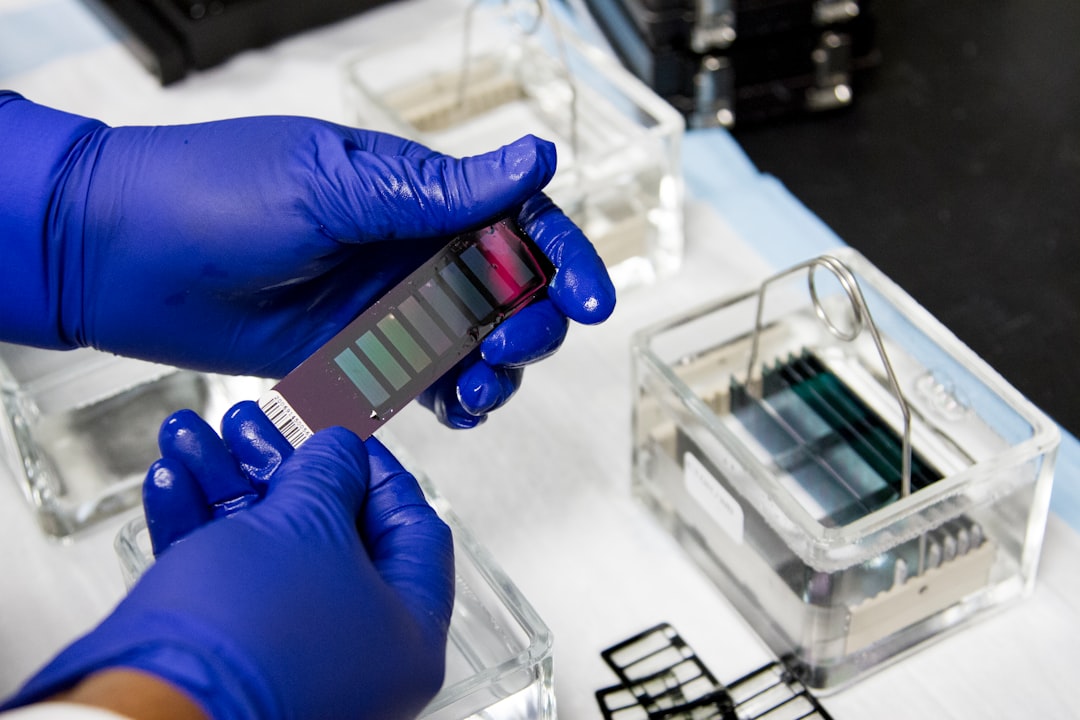
When evaluating barrier repair options, most buyers focus on price first. Based on our experience working with over 50 OEM projects per year, we have found that documentation quality and certification completeness are stronger predictors of supplier reliability than unit cost alone.
Independent lab reports on barrier repair show that visual inspection alone misses roughly 1 in 5 defects that later surface in functional testing. Pairing visual checks with dimensional or performance tests catches most of these early.
Hydration interacts with barrier repair. Clients who increased water intake reported less flaking in week one, and practitioners noted the difference in their session notes.
The first step in any barrier repair evaluation should be documentation review. Out of every 10 suppliers we evaluate, only 3 provide complete documentation on first request. The other 7 need follow up. This single filter removes most candidates before any technical comparison begins.
Contract terms matter as much as technical specs in barrier repair projects. Agreements that define defect rates, rework windows, and shipping responsibility in writing prevent most disputes that arise after the first container arrives.
We track response times during the evaluation phase. Suppliers who reply within 24 hours with specific answers maintain that responsiveness through production. Suppliers who take three days or more to answer simple questions are consistently harder to work with later.
Our aftercare records show barrier repair results improve when clients keep the treated area clean and skip makeup for 24 hours. Infection signs were rare, but nearly all occurred when this rule was skipped.
Hydration interacts with barrier repair. Clients who increased water intake reported less flaking in week one, and practitioners noted the difference in their session notes.
Contract terms matter as much as technical specs in barrier repair projects. Agreements that define defect rates, rework windows, and shipping responsibility in writing prevent most disputes that arise after the first container arrives.
Communication language and timezone differences affect project velocity in barrier repair sourcing. Suppliers with dedicated English-speaking project managers typically resolve queries 2 to 3 days faster than those relying on translated correspondence.
Sun exposure is the biggest controllable variable in barrier repair. Clients who avoided direct sun for five days showed fewer pigment changes at the two week review than those who did not.